
The Allure of Casino Environments
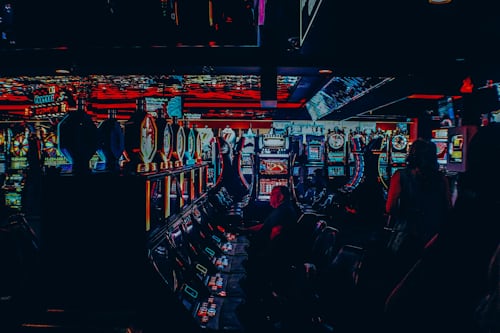
Casino environments are meticulously designed to captivate and engage players. The ambiance features vibrant colors, enticing sounds, and strategically placed lighting that create an atmosphere of excitement and anticipation. This carefully crafted environment aims to enhance not only the enjoyment of gaming but also to encourage prolonged play. For those interested in diversifying their experiences, exploring crypto betting sites could offer new dimensions to traditional gambling.

The psychology behind this design is rooted in the concept of flow, where players lose track of time amidst the stimulation. Such environments trigger the release of dopamine, a neurotransmitter associated with pleasure and reward. This release reinforces the desire to continue playing, leading players to spend more time and money in pursuit of that next thrill.
The Role of Cognitive Biases in Gambling
Cognitive biases significantly influence player behavior in casinos. One of the most common biases is the illusion of control, where players believe they can influence the outcome of games that are purely chance-based, such as slot machines or roulette. This belief can lead to overconfidence and a willingness to place larger bets, ultimately driving player engagement and spending.
Moreover, the gambler’s fallacy also plays a critical role. Players may think that past outcomes can influence future ones, leading them to make irrational betting decisions. These biases not only enhance the gambling experience but also contribute to the persistence of gambling behavior, as players chase perceived patterns in random events.
Emotional Triggers and Player Engagement
Emotions are a powerful driver in casino gaming. The thrill of winning leads to strong positive feelings, which can create a desire to replicate those emotions through continued play. However, the potential for loss also triggers a range of negative emotions, such as frustration or sadness. Casinos often capitalize on this emotional rollercoaster, creating high-stakes experiences that heighten both joy and despair.
On a psychological level, the peaks and valleys of gambling experiences stimulate emotional responses that can lead to compulsive behavior. Players may find themselves returning to the casino in hopes of reinstating the high they felt during a win, or to recoup losses, which can further entrench them in a cycle of gambling.
Social Influences on Gambling Behavior
Gambling is inherently a social activity, and the presence of others can significantly impact player behavior. Group dynamics come into play, where players may feel encouraged to bet larger amounts or take risks they wouldn’t typically consider when alone. This social proof can enhance excitement and create a communal atmosphere that amplifies the gambling experience.
Friends and family can also influence an individual’s decision to gamble, whether through encouragement or shared experiences. The visibility of others winning or celebrating their successes serves as a powerful motivator for participation, reinforcing the notion that gambling is not only acceptable but also rewarding.
Understanding Access Restrictions on Casino Websites
Many online casinos also implement access restrictions, which can create a sense of exclusivity. Users encountering a “403 – Forbidden” message may experience a denial of access that elicits curiosity and frustration. This interplay of psychology is critical to maintaining user engagement; it suggests that there are exclusive opportunities that require further exploration.
Through clear communication and a polished user experience, these websites help users understand their access limitations while still enticing them to engage further. Such strategies mirror the psychological principles observed in physical casinos, where the desire to play is often heightened by an initial barrier to entry.