
The psychology of risk Understanding the mental effects of gambling
The allure of risk in gambling
The attraction of risk in gambling stems from a complex interplay of psychological factors. For many, the thrill of wagering money offers an adrenaline rush comparable to extreme sports. This excitement is often amplified by the potential for significant financial gain, which serves to entice individuals into placing bets. In this context, King Johnnie provides a plethora of gaming options that can make the experience even more thrilling. The unpredictability of outcomes can lead to a euphoric feeling, especially when one experiences a win, reinforcing the idea that risk-taking can yield positive results.
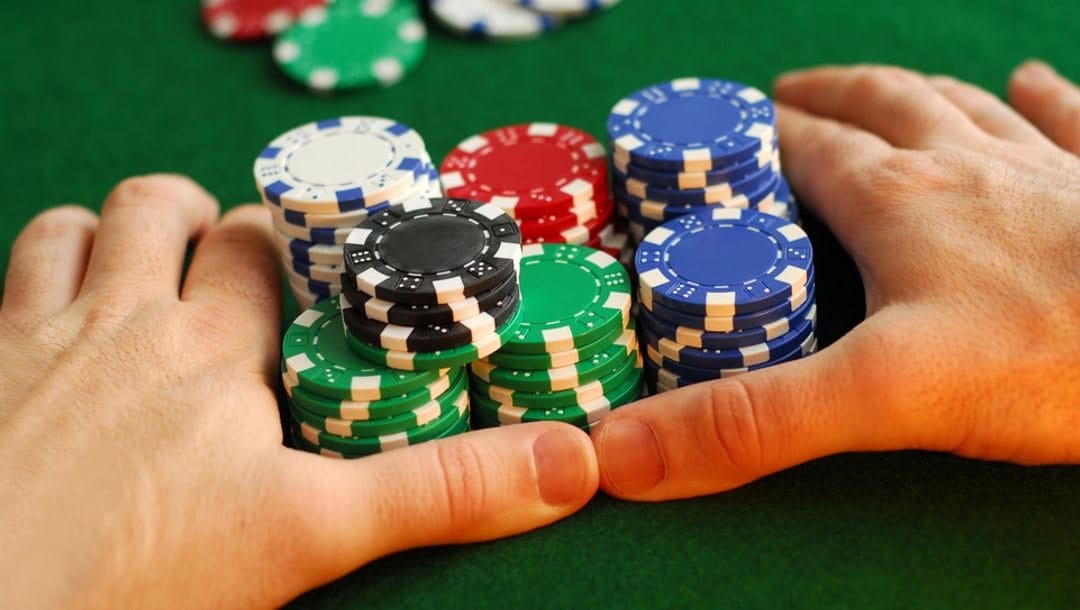
Moreover, the allure of risk is further enhanced by cognitive biases that distort our perception of chance. Gamblers frequently fall prey to the illusion of control, believing they can influence outcomes through strategies or rituals. This can create a false sense of security, driving individuals to engage in riskier behaviors. As a result, gambling transforms from a mere pastime into a compelling challenge where the stakes feel both exhilarating and attainable.
Additionally, the social aspects of gambling contribute to its appeal. In environments like casinos or online platforms, the communal experience of risk-taking can foster a sense of belonging among players. This social dynamic creates shared excitement and anticipation, often encouraging individuals to take greater risks than they would in isolation. The social acceptance of gambling as an entertainment medium further legitimizes these risky behaviors, reinforcing the cycle of attraction to risk.
The psychological impact of winning and losing
The psychological effects of winning and losing in gambling are profound and multifaceted. Winning can lead to a temporary boost in self-esteem and mood, a phenomenon that can be attributed to the release of dopamine in the brain. This neurotransmitter is associated with pleasure and reward, making victories in gambling feel exceptionally gratifying. However, the aftermath of a win may also create unrealistic expectations, leading individuals to chase further wins, often resulting in increased risk-taking behaviors.
Conversely, the experience of losing can trigger a range of negative emotional responses, including frustration, anxiety, and even depression. Losses often lead individuals to engage in “chasing” behavior, where they attempt to recoup lost funds by placing more bets. This cycle can be particularly damaging, as it not only affects financial stability but also takes a toll on mental health. The emotional rollercoaster between winning and losing can create a volatile psychological state that keeps individuals trapped in the gambling cycle.
The cumulative effect of these experiences can lead to compulsive gambling behaviors, where the thrill of risk becomes an addiction. For some, the pursuit of that initial high from winning overshadows the reality of losses, creating a dangerous pattern of behavior that may escalate over time. Understanding this psychological rollercoaster is crucial for recognizing the risks involved in gambling and the importance of maintaining a balanced perspective.
The role of cognitive biases in gambling behavior
Cognitive biases play a significant role in shaping gambling behavior, often leading individuals to make irrational decisions. One of the most common biases is the gambler’s fallacy, where individuals believe that past outcomes will influence future results. For example, someone might think that a slot machine is “due” for a win after a series of losses, causing them to invest more money in the belief that their luck will change. This bias illustrates how misconceptions about probability can lead to increased risk-taking.
Another notable bias is the confirmation bias, where individuals seek out information that supports their existing beliefs while ignoring contradictory evidence. In gambling, this can manifest as a focus on past wins or positive experiences, overlooking losses that would suggest a need for caution. This selective memory reinforces the idea that gambling is a favorable endeavor, which can keep individuals engaged even when the odds are stacked against them.
Finally, the concept of loss aversion highlights how the pain of losing is felt more acutely than the pleasure of winning. This can lead individuals to take larger risks in an attempt to avoid losses, resulting in a vicious cycle of heightened gambling behaviors. Understanding these cognitive biases is essential for developing strategies to mitigate their effects, ultimately fostering a healthier relationship with gambling.
The impact of environment on gambling psychology
The environment in which gambling takes place can significantly influence psychological responses to risk. Casinos and online gambling platforms are designed to create an immersive experience that heightens the allure of risk. Bright lights, engaging sounds, and an atmosphere of excitement all contribute to a sensory overload that can impair rational decision-making. This carefully crafted environment encourages players to take risks they might avoid in a more subdued setting.
Furthermore, social influences play a crucial role in shaping gambling behavior. In group settings, the dynamics of peer pressure and collective excitement can encourage individuals to gamble more than they initially planned. The normalization of risk-taking within social groups can lead to an escalation in gambling activities, as participants strive to keep up with their peers. This social context can amplify the psychological effects of risk, pushing individuals towards higher stakes and more impulsive decisions.
The advent of online gambling has also transformed the environmental factors at play, offering players anonymity and convenience. This can lower inhibitions, making it easier for individuals to engage in riskier behaviors without the immediate social feedback they might experience in physical casinos. Understanding the impact of environment is critical for both gamblers and those looking to develop interventions aimed at reducing harmful gambling behaviors.

King Johnnie Casino: A responsible gambling experience
At King Johnnie Casino, the understanding of the psychology of risk informs a commitment to responsible gambling practices. The platform recognizes that the excitement associated with gambling can lead to impulsive decisions and seeks to provide a safe environment for players. By offering comprehensive resources on responsible gaming and access to tools that promote self-control, King Johnnie Casino aims to create an enjoyable experience while minimizing the potential for harmful behaviors.
Furthermore, King Johnnie Casino is dedicated to fostering a supportive community for its players. With 24/7 customer support, users can easily seek assistance or guidance when needed. The casino also encourages players to set limits on their gambling activities, helping them maintain control over their experiences and promoting a balanced approach to risk. This focus on player well-being is essential in creating a sustainable gaming environment.
In summary, King Johnnie Casino exemplifies how an understanding of the psychology of risk can enhance the gambling experience. By prioritizing responsible practices and user support, the platform strives to foster a safe and engaging atmosphere for all players. This commitment not only enhances player satisfaction but also contributes to a more informed approach to gambling, emphasizing the importance of awareness and control over risk-taking behaviors.